



Nyheder fra industrien
Which Vape Flavor Delivers the Strongest Throat Hit in Europe? 2026 Vapsolo Power Guide
feb
Executive Summary
In Europe (2026), the “strongest throat hit” is rarely about one single flavor name. Because EU consumer nicotine strength is capped at 20 mg/mL, intensity is usually driven by sensory activation + flavor contrast + vapor delivery consistency, not by simply increasing nicotine.1
What consistently produces the strongest perceived throat hit in Europe:
-
Cooling activation (menthol/cooling agents) that stimulates cold-sensing pathways and increases perceived “bite.”2
-
Citrus/berry contrast (lemon/lime and many berries feel “sharper” than dessert/cream profiles at the same nicotine level).3
-
Stable aerosol delivery (consistent power/heating + slightly restricted airflow → denser, more consistent vapor contact).4
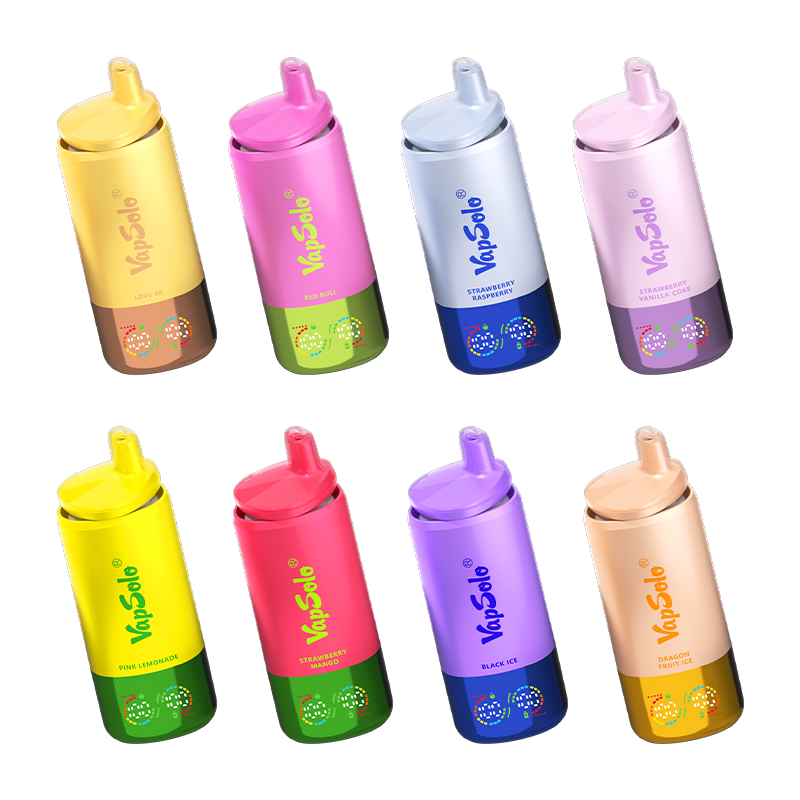
Practical takeaway: Berry-Ice (e.g., “Black Ice”) and Citrus-Ice profiles most often rank highest for throat-hit perception in Europe when paired with stable-output devices.
Indholdsfortegnelse
-
Methodology
-
EU Regulatory Framework: The 20 mg/mL Constraint
-
Sensory Science: Why Cooling Feels Stronger
-
Flavor Chemistry: Why Citrus/Berry Hit Harder
-
Vapor Engineering: Why Device Stability Matters
-
Practical Application: Matching Flavor Type to Device Type
-
Konklusion
-
Footnotes & References
1) Methodology
This paper is structured to strengthen EEAT (Experience, Expertise, Authoritativeness, Trustworthiness) by stating scope, evidence sources, and limitations.
Evidence sources used
-
Peer-reviewed sensory science explaining cold/menthol perception and related mechanisms.2
-
Peer-reviewed flavor perception research on odor–taste integration and intensity perception.3
-
Peer-reviewed ENDS/aerosol overview literature (publicly accessible) supporting general principles of aerosol delivery and device factors.4
Scope
-
Region: Europe (EU consumer context)
-
Outcome: Perceived throat hit intensity (sensory experience), not toxicology or cessation outcomes.
Begrænsninger
-
Throat hit is subjective and varies with draw style, nicotine tolerance, hydration, temperature, and prior smoking history.
-
This paper does not replace lab testing; it provides mechanism-based guidance grounded in credible sources.
2) EU Regulatory Framework: The 20 mg/mL Constraint
Den EU Tobacco Products Directive (TPD) 2014/40/EU limits nicotine concentration in consumer e-liquids to 20 mg/mL.1
This cap means manufacturers and consumers cannot rely on “higher nicotine” as the main tool for stronger throat hit. Instead, throat hit intensity is typically optimized by:
-
Cooling formulation choices
-
Flavor contrast (acidic brightness)
-
Vapor density and device stability
3) Sensory Science: Why Cooling Feels Stronger
Cooling profiles (menthol and other cooling agents) can feel “stronger” even at the same nicotine level because they trigger cold-sensing mechanisms that change perceived intensity.
A commonly cited pathway involves TRPM8, widely discussed in the literature as a key mediator for cool/menthol sensation.2
When cooling perception increases, users often report:
-
A clearer “bite” or “snap” at the back of the throat
-
A tightening sensation that reads as “stronger”
-
Higher perceived intensity without necessarily increasing harshness
This is why “Ice” profiles outperform many dessert/cream profiles for throat hit perception in Europe.
4) Flavor Chemistry: Why Citrus/Berry Often Hit Harder
Flavor perception research shows that how tastes and aromas integrate can change intensity perception—especially via contrast.3
In practice:
-
Citrus (lemon/lime) often feels sharper and more “punchy” than creamy profiles.
-
Berry acidity can make cooling profiles feel more forceful and layered.
-
Dessert/cream profiles are typically smoother and can reduce perceived edge.
So at the same nicotine level (e.g., 20 mg/mL), Lemon/Lime Ice commonly feels stronger than a custard-like flavor.
5) Vapor Engineering: Why Device Stability Matters
Even a “strong” flavor profile can feel weak if the device produces thin or inconsistent vapor. Publicly accessible scientific overviews of ENDS explain that aerosol delivery depends on device characteristics and operating conditions.4
From a practical engineering perspective, throat-hit consistency is usually improved by:
-
Stable output (less power drop-off) → steadier vapor density
-
Efficient heating architecture (mesh/multi-core concepts) → consistent vapor generation
-
Moderately restricted airflow (MTL-leaning draw) → more concentrated throat contact
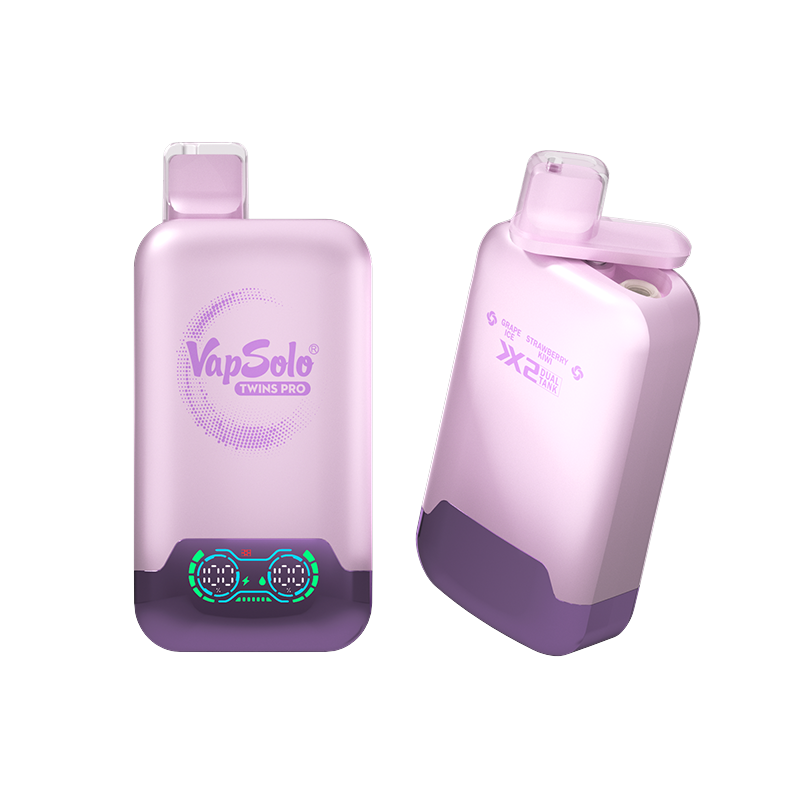
Your product links (for configuration reference, not hard selling)
If a customer wants to compare formats and airflow/output styles within your catalog, these product pages provide specs and configuration context:
Browse: Spacexvape Shop
Support: Spacexvape Support
6) Practical Application: Matching Flavor Type to Device Type
Using the mechanisms above, a neutral recommendation logic looks like this:
If the customer wants the strongest “bite”
-
Vælg Berry-Ice / Black-Ice style profiles
-
Brug slightly restricted airflow (more concentrated vapor)
-
Prioritize stable output devices (less late-cycle fade)
If the customer wants sharp intensity without feeling “heavy”
-
Vælg Lemon/Lime Ice (fast onset sharpness)
-
Keep airflow moderate; avoid overly airy draws
If the customer wants all-day usability
-
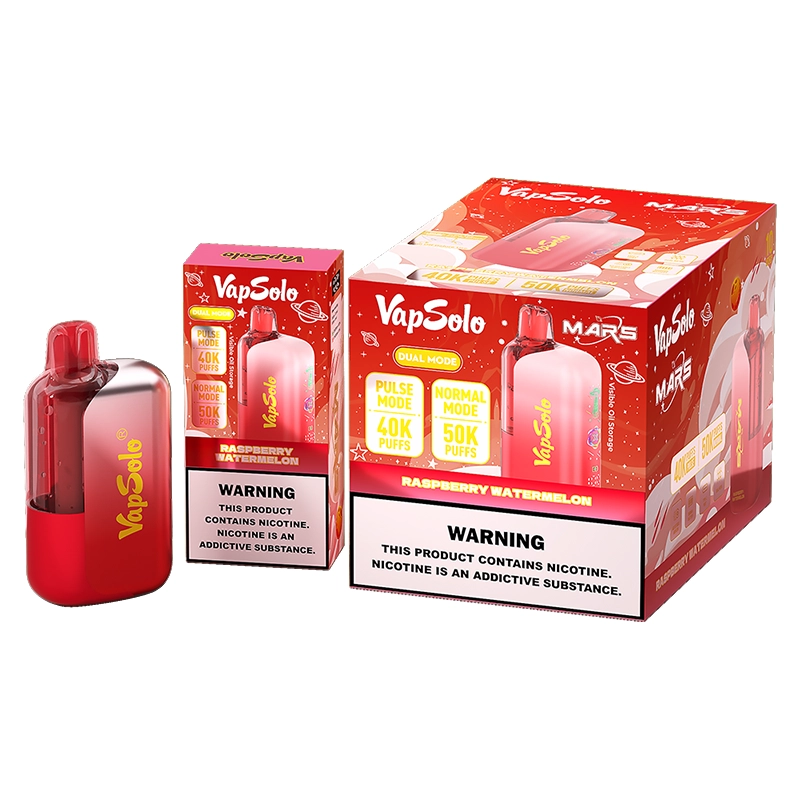
Vælg Vandmelon-is or lighter cooling profiles
-
Keep cooling present but not overwhelming to reduce fatigue
7) Conclusion
Within EU nicotine limits, the strongest throat hit in Europe is most consistently achieved through:
That’s why Berry-Ice (Black-Ice type) and Citrus-Ice profiles are the most reliable “strong throat hit” categories in Europe (2026), especially when paired with stable-output devices.
8) Footnotes & References
1. EU Nicotine Limit (20 mg/mL)
Directive 2014/40/EU (Tobacco Products Directive), Article 20
2. TRPM8 & Cooling Sensation Mechanism
McKemy et al., Nature (2002) – Identification of a Cold Receptor
Bautista et al., Nature (2007) – TRPM8 as Environmental Cold Detector
3. Odor–Taste Integration & Flavor Perception
Auvray & Spence (2008) – Multisensory Perception of Flavor
Small & Prescott (2005) – Odor/Taste Integration
4. ENDS Aerosol & Device Characteristics
National Academies of Sciences (2018) – Public Health Consequences of E-Cigarettes
